UX Consultant
AI Designer
Music Operating Platform
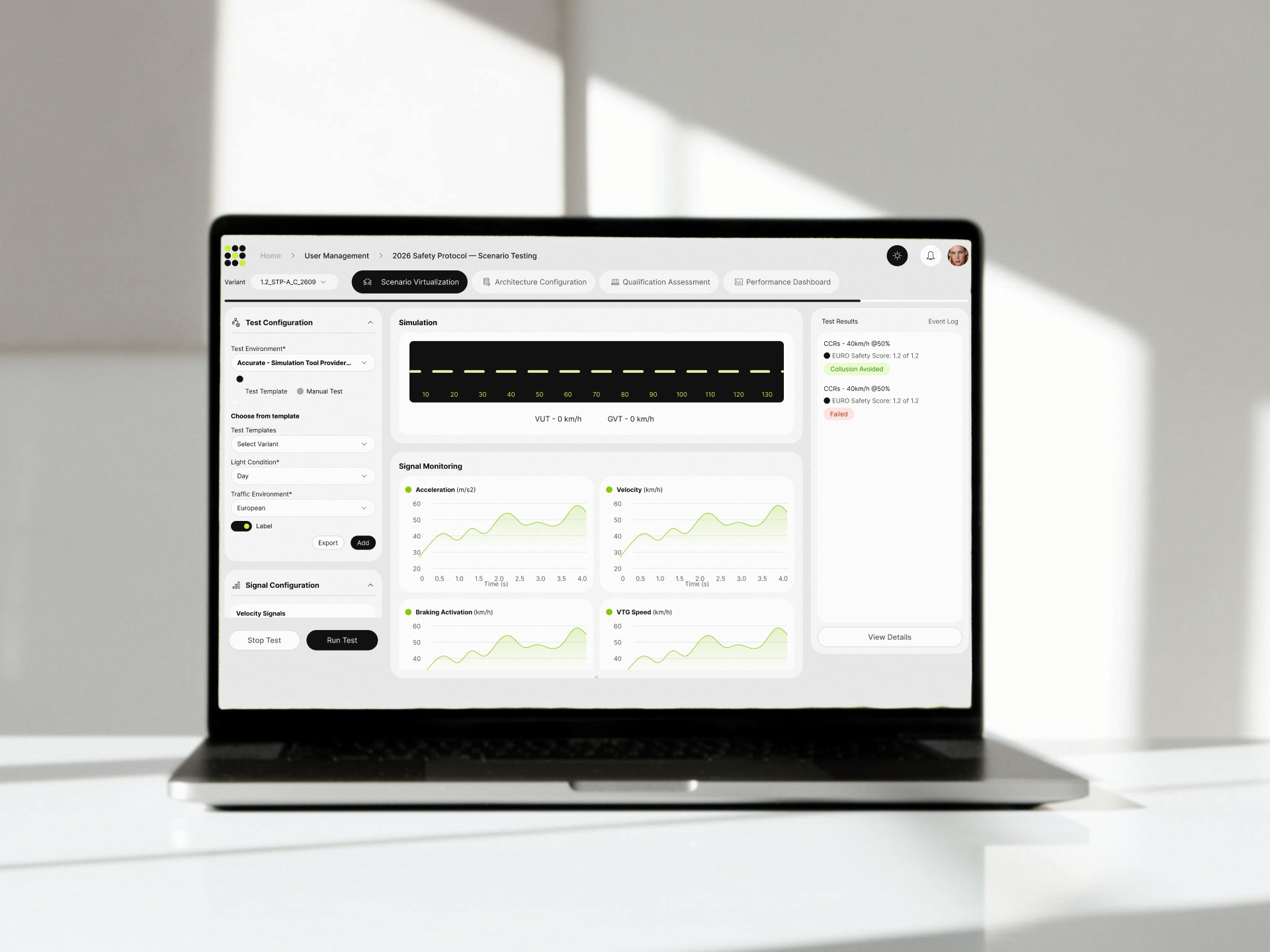
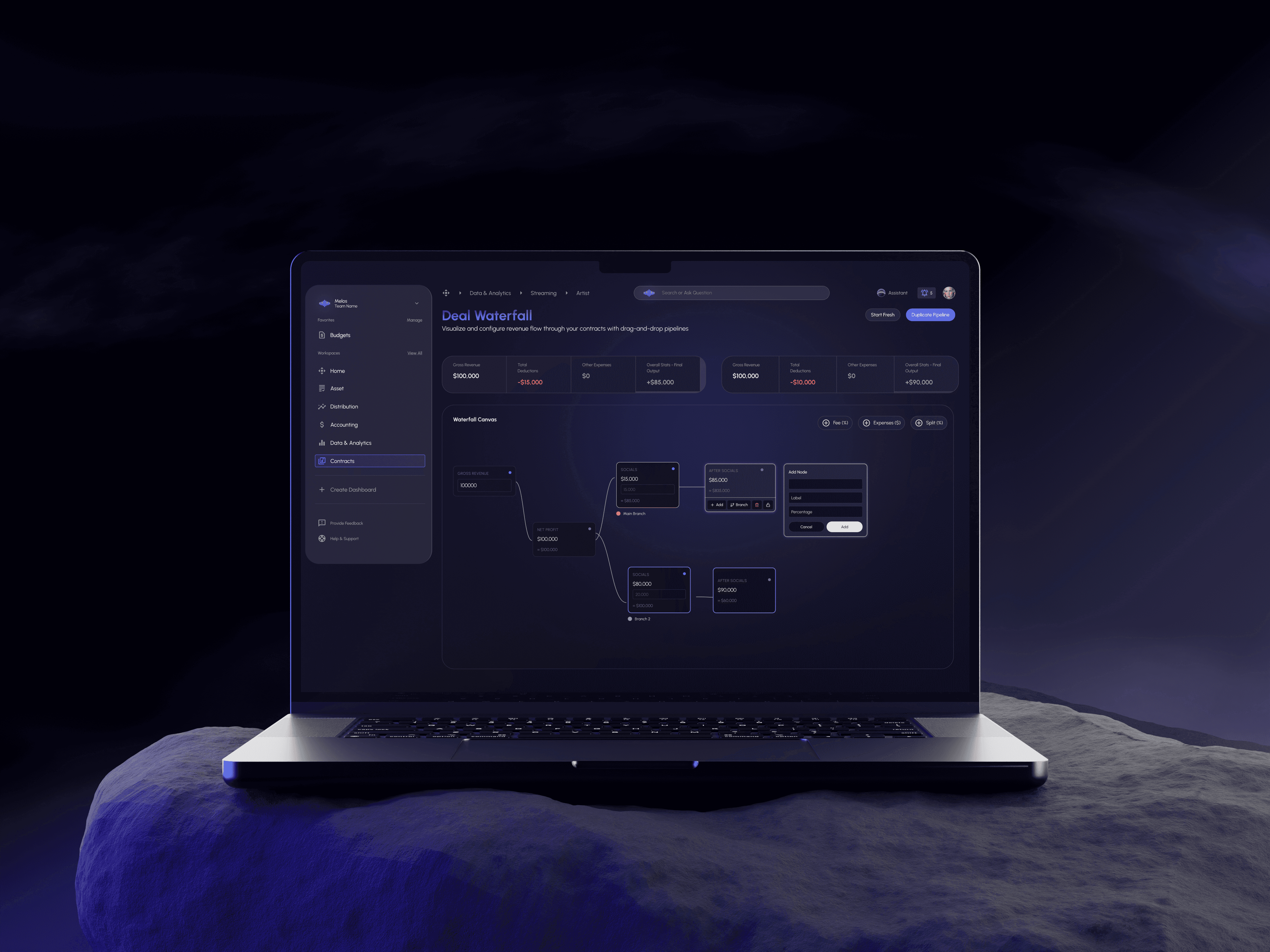
Designing a unified operating system for labels, artists, and distribution partners. Six modules, one design system, built from zero in four months.
Industry :
Music Management / SaaS
Client :
Confidential
Project Duration :
Jan 2026 – Ongoing
Tools :
Figma/FigmaMCP, Claude/Claude Code
Summary
Challenge
Build a complex, multi-module music platform from scratch with no documentation, no design process, and stakeholders communicating through messy prototypes.
Target Audience
Record labels, artist managers, A&R teams, and distribution partners managing contracts, finances, marketing, and catalog across the full artist lifecycle.
Impact
Complete first scaffold of all platform modules plus a full customizable design system delivered in 4 months. Now demoing to key industry customers.
The real problem behind the work
The team was early stage, moving fast, and had no formal design process. Stakeholders had strong opinions expressed through rough prototypes, functional enough to show intent, but built without design thinking and impossible to scale. Nobody had written down what the platform needed to do for real users.
The product vision was clear: a unified operating system where contracts, distribution, accounting, analytics, and marketing connect through one shared data layer. Getting there required structure before screens. My job was to create that structure before production work began.
How we solved it
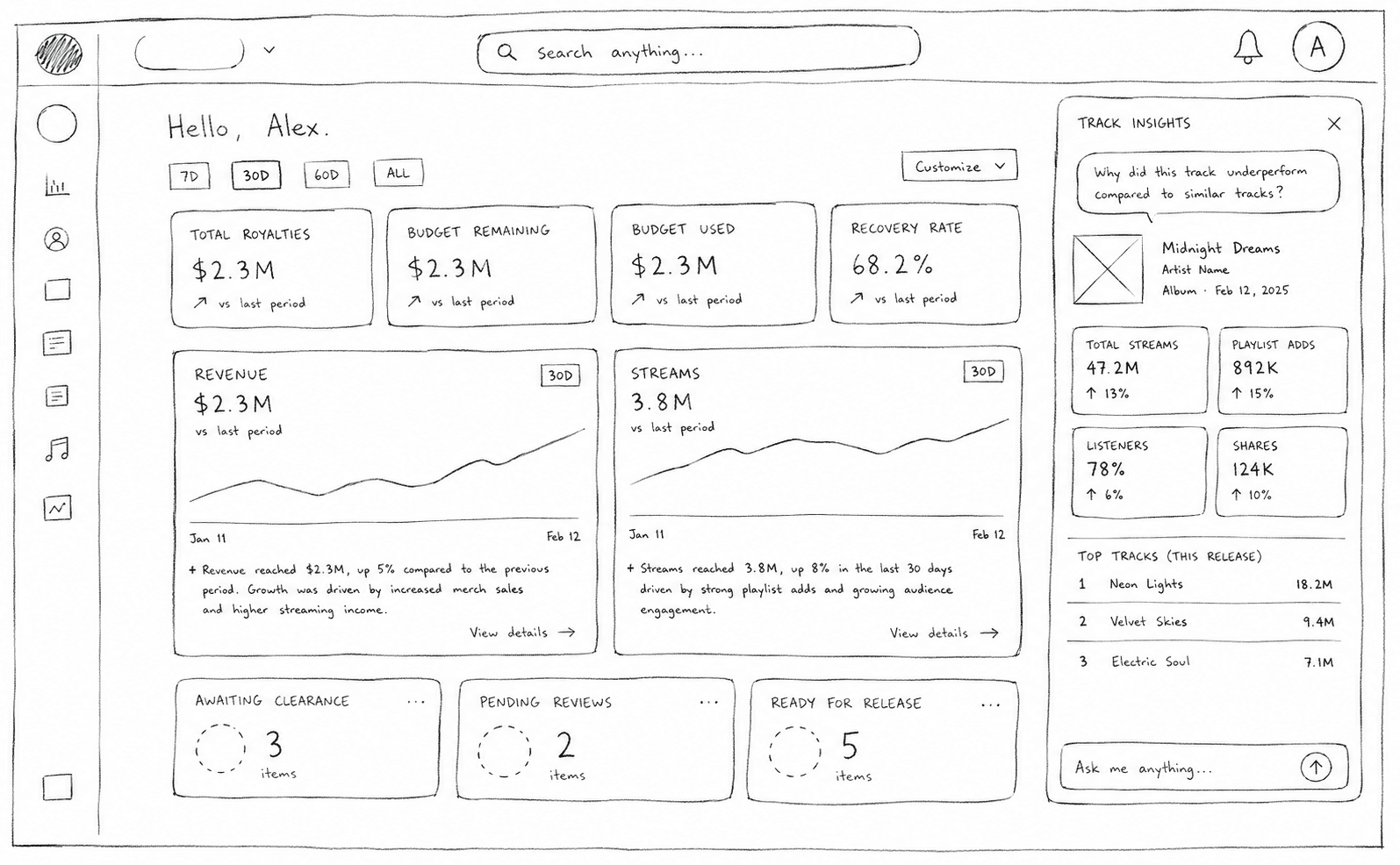
The first priority was alignment, not design. I pushed all product decisions out of chat threads and into structured working sessions where requirements could actually be captured. Without that, design would have been reacting to whoever spoke last.
From those sessions I mapped user flows and information architecture across every module. Each had its own user types, permission levels, and workflow logic. Getting that right before UI work started meant the team could move fast without constantly backtracking.
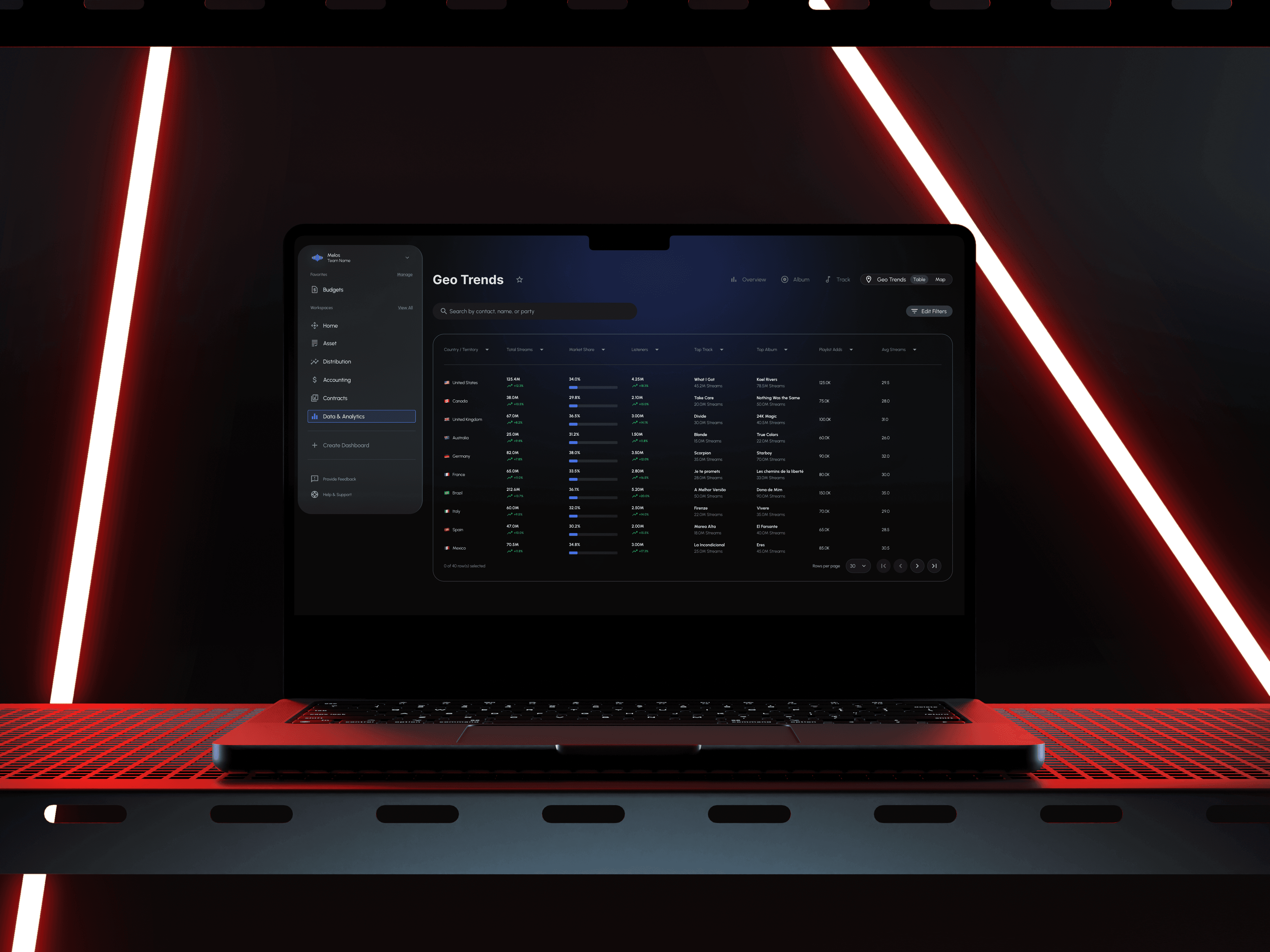
Alongside the flows, I built a full customizable design system that gave the team a shared visual language across all modules. Without it, six modules built by multiple contributors would have looked like six different products.
I also brought AI into the design workflow in a way that changed our speed. Using Claude Code with Figma MCP, I connected the design system directly to my prompting workflow, pushing components and screens into Figma from structured prompts. What normally takes days compressed into hours. This kept me focused on decisions that required design judgment while automating production work.
Throughout the project I acted as the design decision-maker the team needed. When debates arose I defended design-led decisions with clear reasoning. An early-stage product without design authority defaults to the loudest voice in the room and ends up feeling built by committee rather than designed for a user.
The impact we made
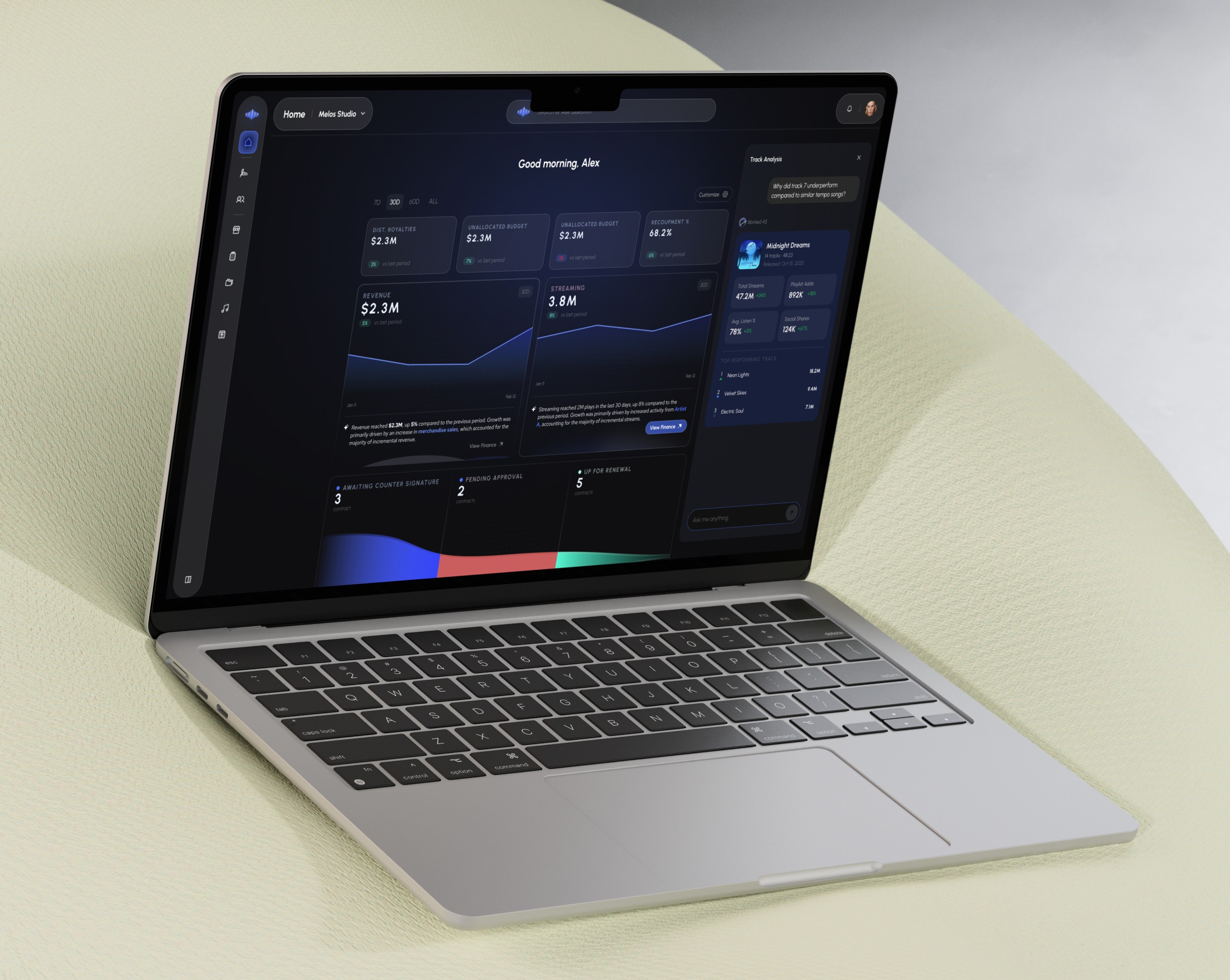
In four months the team went from zero to a complete scaffold of all platform modules plus a design system built to scale. That speed was only possible because the structure was right from the start. Clear flows, reusable components, and decisions with an owner make execution fast.
The product is now in active demo with key industry customers the platform was built to serve.
What we learned
Stakeholder management is design work. On a product this complex, the most valuable thing a designer can do is create the conditions for good decisions, not just execute them. Every alignment session pushed for, every debate prepared for, every vague intent turned into a documented flow was the work that made everything else possible.
Complex products do not get built by having good ideas. They get built by having the right process, the right structure, and someone willing to defend both when the pressure is on.
Some details have been abstracted to protect client confidentiality. The design process and outcomes are accurately represented.