Generative UI Is Changing UX Design
Your job as a UX designer is about to change completely. Generative UI means AI will create personalized interfaces in real-time for each user, shifting designers from crafting screens to building systems that generate experiences at scale.
Tools
30/07/2025


1. The End of One-Size-Fits-All
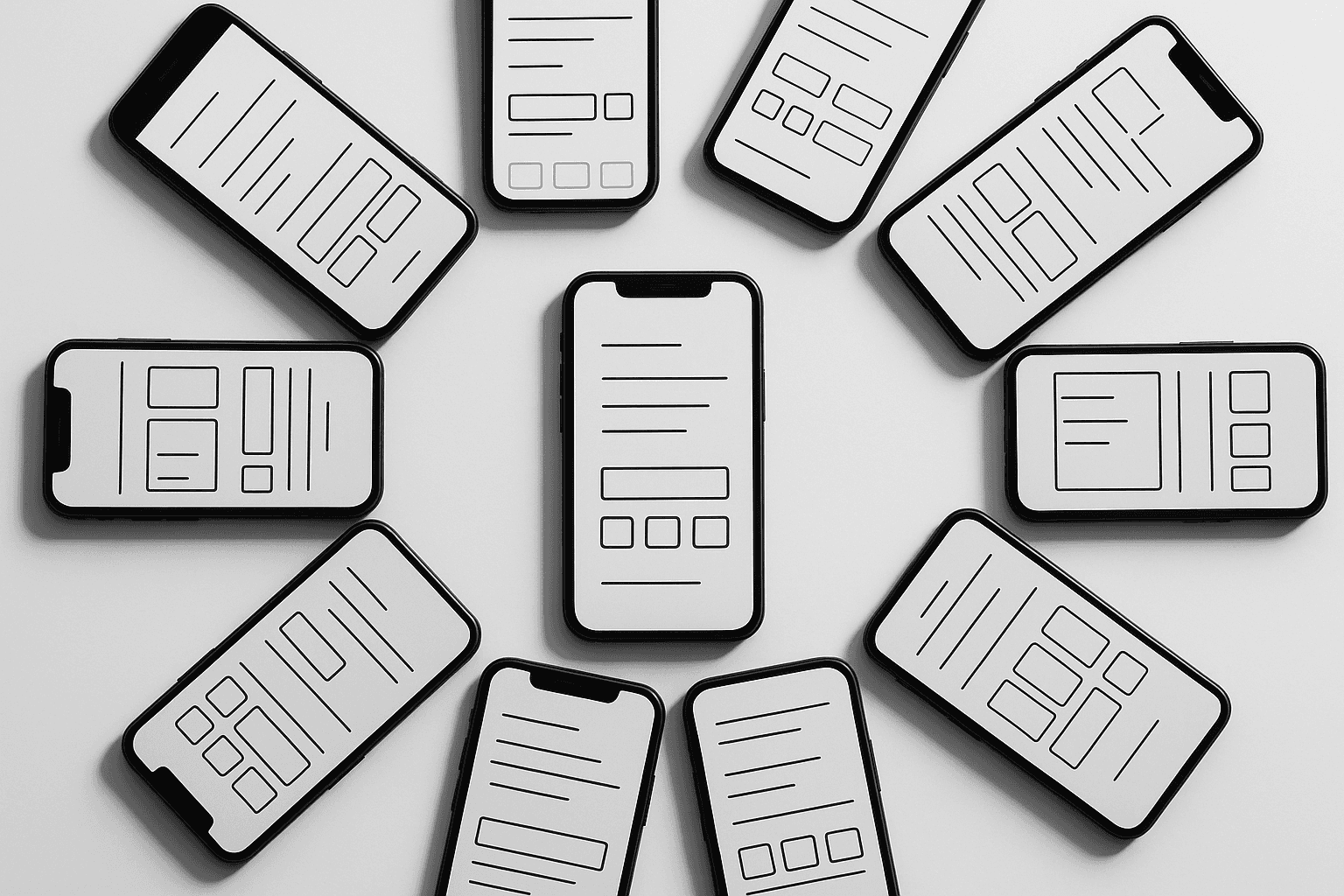
Right now, we design one interface for everyone, making tradeoffs and compromises along the way. Some users get a better experience, others don't, and that's just how it works. That's about to end. Generative UI means AI creates interfaces in real-time, customized for each individual user based on their needs and behavior.
AI-Assisted vs Generative UI
AI-assisted design is what we use now, where you create prompts in ChatGPT or Claude, tools like Figma, Lovable, V0, or Bolt help you speed up, and you ship one design to all users. The designer creates, AI helps, and everyone sees the same thing. Generative UI is different because AI creates the design in real-time for each user based on their context and preferences. Designer creates the system, AI generates interfaces, and everyone sees something different.
AI-assisted design is what we use now, where you create prompts in ChatGPT or Claude, tools like Figma, Lovable, V0, or Bolt help you speed up, and you ship one design to all users. The designer creates, AI helps, and everyone sees the same thing.
Generative UI is different because AI creates the design in real-time for each user based on their context and preferences. Designer creates the system, AI generates interfaces, and everyone sees something different.
One Interface Per Person
Imagine Alex uses the Delta app and has dyslexia, so her interface uses a special font automatically. She hates red-eye flights, so they're collapsed at the bottom, and she prefers window seats, so the app warns her when they're unavailable. Now imagine Delta doing this for 190 million yearly flyers with a different interface for each person. That's only possible with Generative UI, and it's already being experimented with by forward-thinking teams.
Imagine Alex uses the Delta app and has dyslexia, so her interface uses a special font automatically. She hates red-eye flights, so they're collapsed at the bottom, and she prefers window seats, so the app warns her when they're unavailable.
Now imagine Delta doing this for 190 million yearly flyers with a different interface for each person. That's only possible with Generative UI, and it's already being experimented with by forward-thinking teams.
Designing Systems, Not Screens
Your job is shifting from designing interfaces to designing systems that generate interfaces. You won't be crafting individual screens anymore, you'll be defining the rules that guide AI, ensuring accessibility at scale, and figuring out what stays consistent across all versions. The future of UX isn't about designing better screens. It's about designing better systems that create better screens, and that means learning to think in frameworks, patterns, and intelligent constraints instead of pixels.
Your job is shifting from designing interfaces to designing systems that generate interfaces. You won't be crafting individual screens anymore, you'll be defining the rules that guide AI, ensuring accessibility at scale, and figuring out what stays consistent across all versions.
The future of UX isn't about designing better screens. It's about designing better systems that create better screens, and that means learning to think in frameworks, patterns, and intelligent constraints instead of pixels.