Outputs Don't Equal Outcomes in UX
When I first started in UX, I thought success meant beautiful wireframes and polished dashboards. Working on a manufacturing plant project taught me the hard truth: great outputs don't guarantee great outcomes, and both must be planned and measured from the start.
Strategy
30/10/2025


The Craft Feels Like Success
When I first started, UX for me was all about the craft. Interviewing users, mapping flows, wireframing, and usability testing felt like the real work. All important skills, sure. But they're still just outputs, not the outcomes that actually matter to the business or users.
We're drowning in information from AI, social media, and everything in between. Without analyzing what we see and hear, we're just robots consuming data instead of making sense of it. In UX, this means questioning everything constantly.
When a user says they want feature X, dig deeper, and when a PO gives requirements, challenge assumptions because users often don't mean what they say and POs don't always know what they actually need.
Reality Hits on Real Projects
Working on recent projects at a manufacturing plant challenged me to look deeper than polished deliverables. We built solutions to improve data quality, and on paper, the output looked great with a high-tech system, a polished dashboard, and carefully designed flows. But then came the harder questions. Does this actually change outcomes for the plant, does better data entry reduce costly errors on the line, and is data quality even the core problem or just a symptom of something else?
AI handles the heavy lifting now, but it can't connect unrelated dots like humans can. Creativity isn't inventing something completely new, it's discovering fresh ways to connect existing things that nobody thought would work together. Like a chef mixing unexpected ingredients to create new dishes.
But here's the catch: you need to understand your fundamentals first because a chef can kill people by mixing the wrong stuff, and a designer can exclude important users without inclusive design and proper research.
The Real Measure of Success
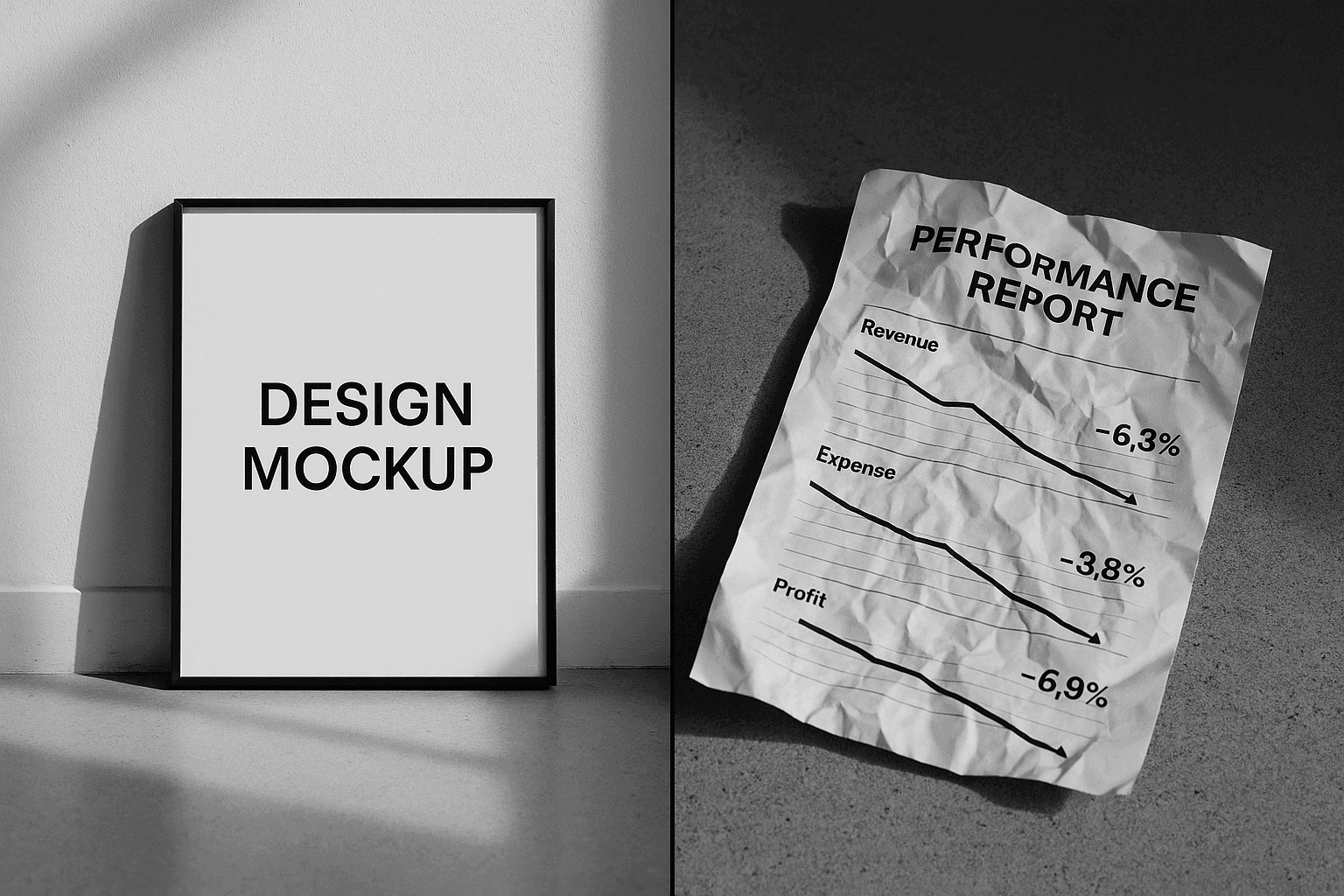
That's when I really understood the difference between what I make and what it changes. A beautiful dashboard (output) means little if decisions don't improve (outcome). The real measure of success isn't the design artifact itself. It's the long-term impact on people, efficiency, and business results that shows whether your work actually mattered.
This is my bread and butter in research because AI can do nearly everything now, but you still need to be curious enough to ask the right questions. Be comfortable being "stupid" and learning something new every day, because the more I learn, the more I realize how little I actually know.
2-3 months ago, nobody cared about AI design tools. Now, Lovable and V0 are changing everything overnight, and if you're not curious, you're already behind the curve.
Plan for Impact, Not Just Delivery
This shift upgraded my entire mindset about what good UX actually means. Great outputs don't guarantee great outcomes, and both must be planned, tested, and measured from the start instead of hoping impact magically follows good design. For founders and leaders reading this, how do you measure design success in your company? By the outputs you see in Figma files and prototypes, or by the outcomes it creates in user behavior and business metrics?
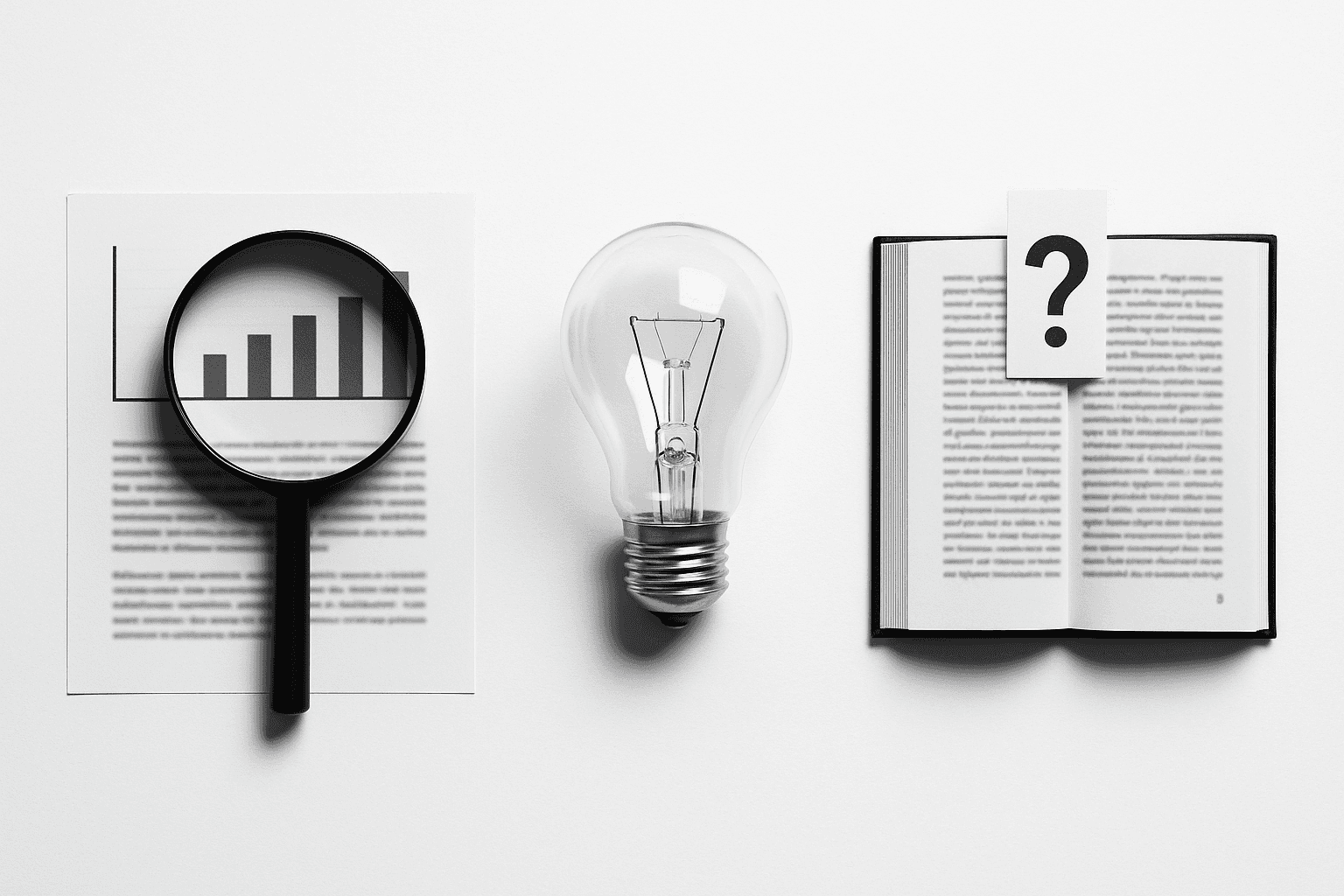
The future belongs to UX professionals who stay curious, think critically, and create thoughtfully. These three skills work together: analytical thinking helps you question assumptions, creative thinking helps you find unexpected solutions, and curiosity keeps you learning when everything changes overnight.
What skill from this list resonates most with your work right now? Because in a world where AI handles execution, your ability to think, question, and connect ideas is what makes you irreplaceable.